Friday, February 21, 2020

researching character building

Hello and welcome back!

Since my chosen genre is drama, today I've decided to research how to build a great character. I've seen three videos on it so far: How to Create a Great Character, Writing Strong Characters, and How to Create Dramatic Characters, but the third one manages to incorporate information explained in the first two.

Want and Need

The first thing I learned was how every character has a "want" and a "need" and how they work together to develop a character and the plot. A "want" is what the character desires and their ultimate goal. It's specific to the character and it is what drives their actions. One example given was Woody from Toy Story. At the beginning of the film Woody wants to be the best toy and it's reflected through his actions, especially when he's challenged by Buzz's arrival. That brings me to my next point: the character needs to have obstacles to get to what they want. This really has to do more with the plot than the character itself but I thought it was worth bringing up because sometimes these obstacles are what trigger the character into confronting their need.

The "need" is the thing that the character must realize about the world they live in or themselves in order to be complete. If a character is going to change they have to discover their need. Woody needs to learn how to share in order to become a better friend. The emotional themes of movies often lie in the "need" of a character and they tend to be more universal. Everyone should learn how to share, not just Woody. Often times the character's "want" can change once they realize their need. As the film progresses Woody learns how to share and as a result, his "want" changes. Instead of wanting to be Andy's favorite toy, Woody starts wanting to be a good friend to the rest of the toys. The "want" isn't inherently bad nor does it always change, but in this case it does.

So where does the "need" and "want" come from? I'll touch on this briefly since it spills into character arcs and that's a different topic. Basically, at the beginning of stories, characters often have some sort of flaw or belief that prevents them from achieving growth. This belief is what they have to overcome in order to realize their need. They also have to overcome it in order to achieve what they want or realize that they want something better. Don't get me wrong, "wants" are external whereas "needs" are internal so the main obstacles that get in the way of a character's "wants" are also external. But at a certain point a character's "wants" and "needs" come together to build who they are. Quick example: In Eternal Sunshine of the Spotless Mind Joel overcomes the false belief that erasing memories of a failed relationship is better than dealing with pain in order to realize his "need." After that, he ends up wanting to keep his memories.

I feel like that was a lot but I'm not even done. Stick with me though.

How to make your character engaging

When it comes to this there's three main components: resonance, competence, and activity. In the first video I noticed that the video maker used the word "likability" instead of "resonance" but after watching the third video I realized why "resonance" was a better word. A character doesn't need to be likable, they just need personality traits that resonate with the audience. For example, a character could be highly intelligent instead of super friendly and an audience could still engage with them because intelligence is considered to be a valuable thing. It's more important to give your character traits that make them understandable and easy to empathize with rather than just likable, although there's nothing wrong with building a friendly character. 

The next component is competence, which refers to how well a character does their job or passion. There's something admirable about a character who  is able to accomplish what they set out to do that keeps people watching. This also applies to the third component, activity, which refers to how much a character perseveres. A character that manages to do well in both of these components, for example, is Batman. This way, he connects with the audience despite not having many major traits that resonates with them. It's important to balance out these three components. If you give a character too many positive traits for the audience to resonate with, make them too competent, and too active, then they turn into a perfect character the audience will never be able to see themselves in. On the other hand, if you do the opposite by giving a character no resonance, no competence, and making them inactive, then the audience will have nothing to engage with.

My Character

I haven't completely decided on what I want my character to be like but after completing all this research I've decided on the following:

-My character will be female
-My character needs to develop self-validation
-My character wants to be the best at what she does out of her peers
-My character will be witty in order to resonate with the audience. She will also be competent but struggle with being active. However, as the plot progresses, she'll learn to do things for herself and persevere

These are subject to change but I'm glad to have established a basis :) Thanks for reading, 'till next time!

Sunday, February 16, 2020

film openingsss

Hello!! Now that I've finished researching my genre of choice (drama) and narrowed it down to a specific sub-genre (dramedy), I now have to research film openings! So, I've chosen two film openings that reflect my genre and its conventions.

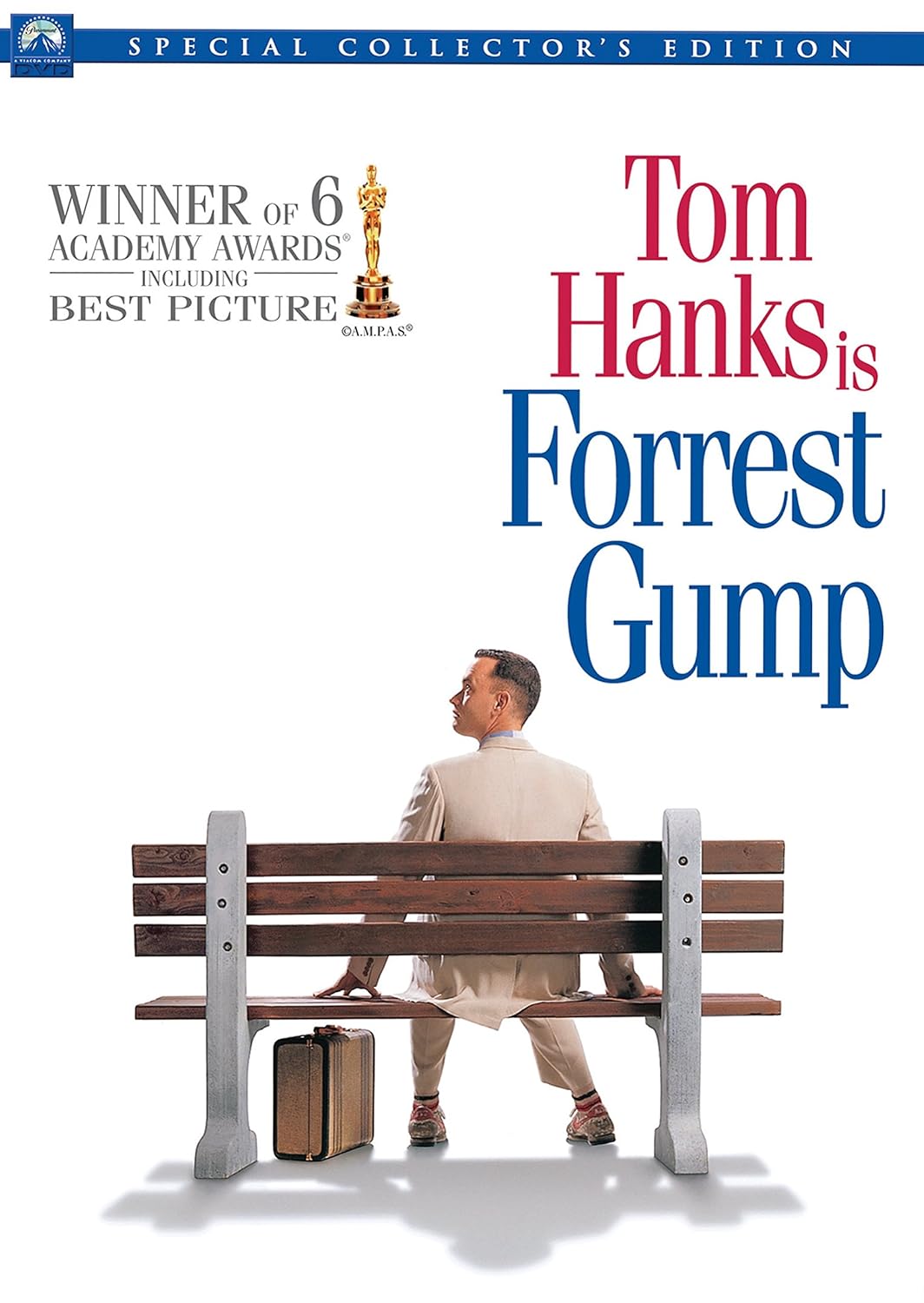
The first is Forrest Gump.
 Image result for forrest Gump
This film follows sweet Forrest Gump and the charmed life he unintentionally leads despite having a below average IQ. It opens on a shot of the sky with a feather traveling through the air. It's also accompanied by the non diegetic sound of soft but hopeful music, which sets the tone for the scene. Through the use of a slow tilts and pans the camera follows the feather throughout the city and eventually ends up at Forrest's feet. These techniques help convey the sense that Forrest's life is determined by chance. As he bends down to pick the feather up the camera tilts upwards, introducing the main character to the audience, which is the purpose of the opening. The costume design (dirty sneakers and school-lunchbox-looking briefcase) give the audience further insight on Forrest's innocent nature as he puts the feather away in a book. Although this opening doesn't sound awfully serious it is still very much a drama because right off the bat it focuses on the main character and begins developing his personality. It also includes comedy elements that set it up to be a dramedy such as the act of having a grown man save a feather he found on the ground in his picture book.

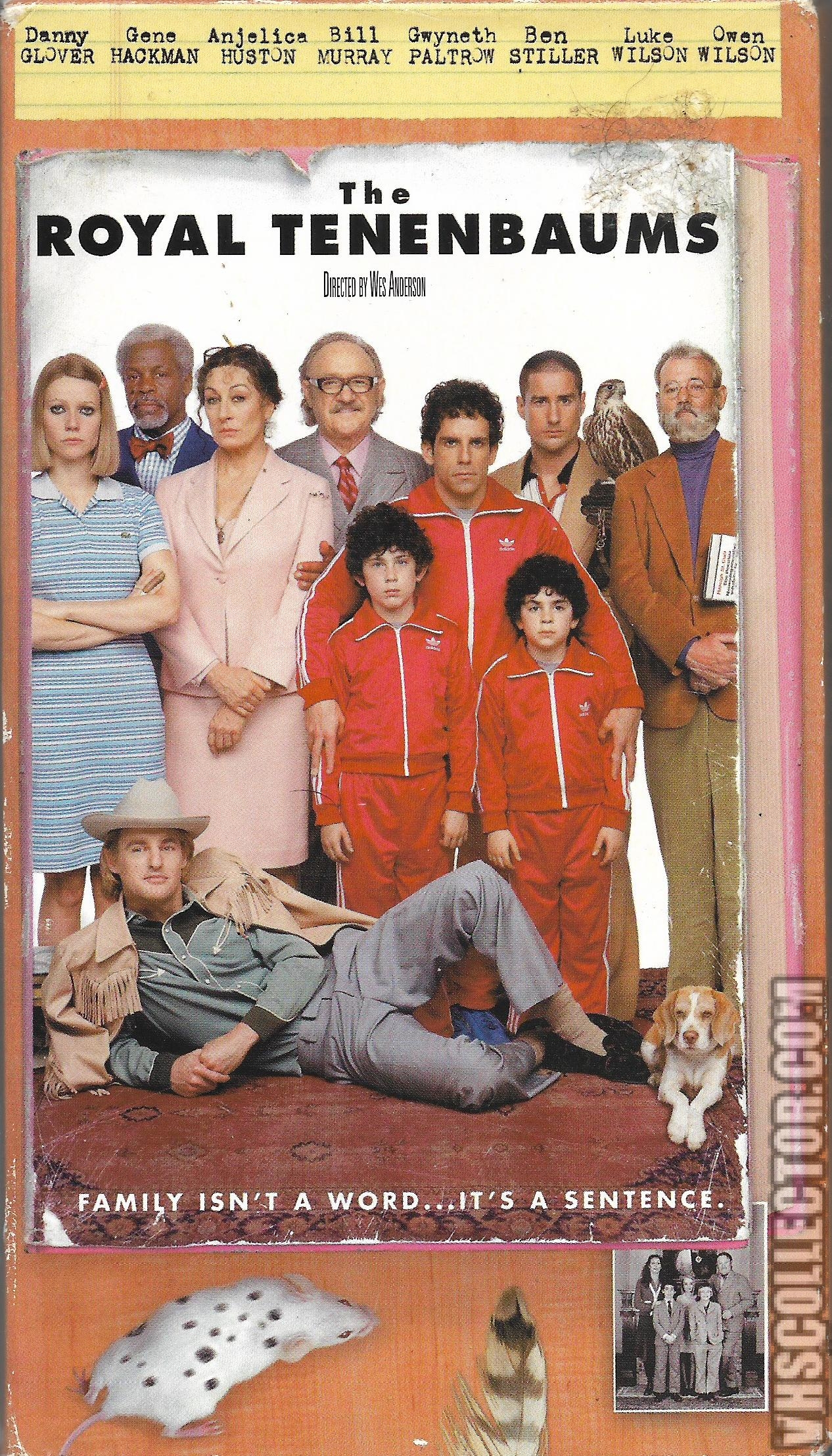
Film numero dos: The Royal Tenenbaums
Image result for the royal tenenbaums movie
Sadly, the clip I found of the film isn't the full opening but it's still a good chunk of it and I remember this movie pretty clearly so we'll just have to make do. The Royal Tenenbaums is about the story of a very flawed father who attempts to reunite his dysfunctional family in order to make things right. The film starts off with a brief shot of a storybook titled "The Royal Tenenbaums" and bright red text that indicate that this is a prologue. The non-diegetic sound of a narrator telling the story of the family's history begins as the film reveals its highly produced art direction. This narration lets the audience know that the main focus is going to be on the family rather than the plot and the art direction in the costumes provide an offbeat comedic relief. For example, one of the children wears suits throughout the entire opening. Also, the blocking of the characters in the opening adds another aspect of drama because it reflects the children's relationship with their parents. In the scene where the father, Royal, is informing his children of his divorce, they sit at opposite ends of a long table but in the next scene all of the children closely surround their mother Etheline. This helps further establish the characters and their relationships, which is what the purpose of the opening is.

So, the main things I've learned here that many dramedies balance out drama with comedy by using mise-en-scene and sound design. This way, dramas still get to focus on the characters. I've also seen some concrete examples of how dramedies build their characters without depending on dialogue. They focus on making their characters likable and intriguing to keep the audience's attention and get them to care. Both films have differ greatly in their main characters but both focus on instilling key elements in their characters that make the audience want to follow their stories (Forrest is charming and the Tenenbaums are eccentric.) I can't wait to start developing my characters :)

Saturday, February 15, 2020

the drama genre!

So this is the first out of many blogs concerning my film opening project and I'm super excited to get started!! First things first: genre. For my film I have decided to go with the genre of drama since a lot of my favorite films fall under that genre. Also, according to Statistica, it is the third most popular movie genre in Northern America, so I figured choosing that genre would be a nice balance between what I would like to do and what general audiences like to see. In order to produce a successful film opening I knew I would have to do some research so here's what I learned:

The drama genre tends to focus primarily on forming a emotional connection to the audience through its characters. Said characters are often ordinary people who go through a somewhat intense journey due to some sort of inner conflict or motive. However, there are some cases in which main characters are out of the ordinary. At the end of their journey these characters have probably undergone major character development since they are meant to be profound and complex. The plot for these movies tend to be relatively simple, with a few exceptions, of course, since they are meant to focus on the story of the characters. They tend to center around the idea that something is either being lost or has to be obtained/achieved. Similarly, the setting in drama films aren't that important because they're not what makes the film. I've also learned that the drama genre is a very broad genre and contains many sub-genres. Here are some of the main ones:

Romance

Romance dramas focus on the elements of love and its complexities. The plot often builds itself around the idea that our two main characters cannot be together and how they either overcome that or are defeated by their obstacles. A good example of this would be Romeo and Juliet in which both characters are not allowed to see each other due to feuding families.

Dramedy

Also known as comedy dramas. This is the one I'm leaning towards but we shall see. Anyways, comedy dramas are exactly what they sound like: a balanced mix between comedy and drama. The overall plot and essence of the film remains dramatic but hints of comedy are consistently added throughout the entire film. This way, serious topics can be covered without draining your audience by providing moments of comedic relief. A good example of this would be Forrest Gump because although Forrest's life story is very intense he's unintentionally comedic and lovable which allows the movie to be more lighthearted.

Tragedy

Tragedy dramas usually place emphasis on one character and their destructive tendencies, often towards themselves. It follows their ups and downs but mostly their downs and tends to end negatively. This character is normally placed in an extreme situation that causes their demise. A good example would be the story of a struggling drug addict (I was going to list the film Beautiful Boy because it follows a lot of these conventions but then I realized that the main character does end up recovering in the end, you get the point though.)

Political

Political dramas are centered around politics and usually strive to expose the corruption or inner workings of the political scene. Although they are rooted in truth they're not always completely accurate like a documentary and can be completely fictional. A good example of this would be The Perfect Dictatorship, which focuses on how a corrupt politician bribes a TV conglomerate into creating false news stories about him.

Historical

Historical dramas focus on specific historical events or time periods. Although they're based on true events, the event is more of a guideline than anything else given that they exaggerate and/or fictionalize certain elements of the story for entertainment purposes as well as to provide a certain narrative/ point of view. One example would be the film Hotel Rwanda which is based on the Rwandan genocide.

As far as target audience goes I've learned that drama is such a broad category that target audience varies depending on sub-genre. When I first started writing this blog I thought I might want to do a comedy drama but now that I've researched all my choices I think this is the final verdict. As far as comedy-genres go the target audience depends on the content and rating of the film but many tend to be rated PG-13 or 12A.

Tuesday, February 11, 2020

music marketing project

For my music marketing project my group chose the song "Me and Your Mama" by Childish Gambino. This falls under the hip hop/funk genre. After researching two case studies, Brockhampton and Kaytranada, and the record label they're under, we were able to decide what marketing trends we needed to follow. The first was having a visually unique music video. On top of it being an artistic music video it also needed to be promotional because we were introducing a new artist and needed to give her exposure as well as produce something for a lower cost. The music video developed the brand of a chaotic and liberated character along with other marketing tools. These other marketing tools included the use of social media apps (instagram, tik tok, twitter), a website along with merchandise and "fake beef." We used social media sites for obvious reasons: they're highly popular amongst younger audiences and are a great way to spread information/ connect with others. But more importantly, we wanted to take advantage of humor and "internet culture" that stems from apps like twitter to make our artist relevant and build her brand. For the website we chose the color red to reflect the artist's brand and made the music video the first thing available on the site. We chose a thumbnail of the artist crying because it evokes curiosity and could possibly resonate with our semi-melodramatic/angsty target audience and included cheaper products, such as phone cases, for our audience to afford. This project has taught me that every choice needs an even stronger reason behind it, especially for a marketing campaign. Target audience is everything and all choices made during a marketing campaign should stem from there. I also learned how to visually develop a brand, how to produce cool visuals for cheap and the importance of editing/pacing in music videos.

Monday, November 25, 2019

representation analysis

           Representation is the way groups of people or events are depicted in the media. It has the power to determine the way certain groups of people are viewed within a society. Social class, race, age, and gender are all intersecting elements to consider when dealing with representation.       

           Unfortunately, many groups are either poorly represented or underrepresented such as women, people of color, the elderly, etc. Both the Tide and Axe ads rely on gender assumptions, specifically about women. In the Axe ad, the women are very sexualized and depicted as animals on the hunt for a man, looking to serve. This can be shown through the construction of the production. The location of the wilderness, women's revealing wardrobe, climactic background music, and extreme long shots of dozens of women running contribute contribute to this dehumanization of women. The man, in contrast, remains in the same spot, waiting for the women to come to him as he sprays Axe body spray with a overtly content look on his face. As a result, both genders are poorly represented. The ad justifies the idea that women are just here for men's sexual pleasure and sets an unhealthy standard for what masculinity should look like.
     
            The Tide ad also focuses on gross gender roles. It centers around a stereotypical mother who's bothered by her daughter's tomboy style and is disappointed by Tide's ability to save her daughter's clothes. The delicate pink and blue color palette of the set and wardrobe design conveys the mother's femininity and her expectations for her daughter. The marketers build on these assumptions about motherhood and femininity to create an very prissy and uptight character for a seemingly satire commercial. If it is satire, the production's approach to representation focuses on ridiculing traditional standards of femininity. It would give the audience the idea that the phrase "pink is for girls and blue is for boys" is something to be left behind.

introduction!


         Hello readers! My name is Sara Moreno and I am an eleventh grader a Cypress Bay High School. Since I'm interested in photography I decided to enroll in AICE Media Studies and learn more about the media world. I love photography but I have the presumption that I will one day feel like I've run out of space within that medium, so I'm hoping that this class allows me to branch out. I've created this blog so that I can record my steps in making a film opening and document my research for the class. That's all for now, 'till next time!

Byrdie baby!

The time has finally come. Without further ado, here's Byrdie: https://vimeo.com/407450605 password: byrdiefilmopening